Cybercab window tint in Florida: why a legal shade does not settle it
Analysis · no vehicle-specific determinationFlorida’s tint limits do not authorize Cybercab modifications. Learn how Tesla’s terms, driverless rules and unresolved window classifications fit together.
Selected-customer Cybercab invitation: Published: Sources checked: (UTC)
By Window Tint Laws · Status reflects the sources checked on the date above.
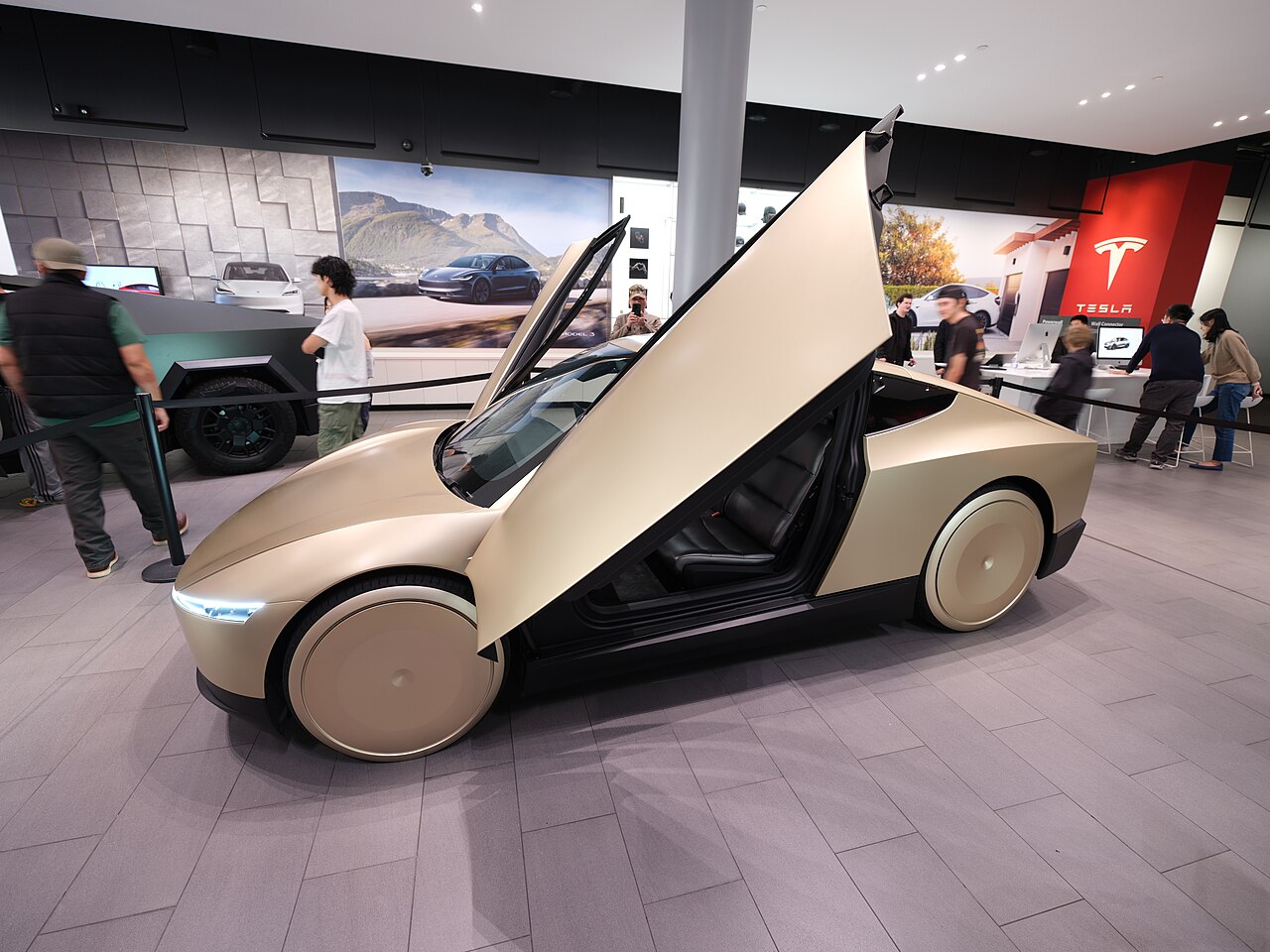
The short answer
Sources checked November 15, 2026 (UTC). The percentages below describe Florida's general provisions, not a verified Cybercab installation specification.
For someone in Florida researching Cybercab window tint, the first question might be how dark the windows can be. Tesla's published terms put another question ahead of it: who is authorized to change them?
The Cybercab agreement restricts tint work to Tesla or a Tesla-authorized provider, subject to applicable law. Florida's tint limits do not supply that authorization.
That means the familiar state tint chart is useful background, but it cannot settle whether a particular Cybercab job is available or permitted under the applicable agreement. The vehicle's unusual design adds questions that the ordinary chart was not written to answer.
Florida allows autonomous operation. That is a different question.
Florida law expressly allows a fully autonomous vehicle to operate without a human physically present. Its autonomous-vehicle provision also generally treats the engaged automated driving system as the operator for the traffic chapter, unless the context requires otherwise.
That is significant for driverless travel. It does not mean every rule mentioning an operator disappears.
Florida's autonomous-vehicle requirements retain applicable federal certification and state traffic and equipment obligations. Permission to operate autonomously should therefore not be described as permission to alter the windows however an owner prefers.
There is another distinction for Florida readers: a state law allowing driverless vehicles does not establish that Tesla offers Cybercab service, delivery or operation at a particular Florida address. This article makes no such availability claim.
What Florida's ordinary tint rules actually say
The state's general provisions distinguish among window locations and vehicle types. Visible light transmission, usually shortened to VLT, describes how much visible light passes through. A lower percentage means less light passes through.
The useful reference points are:
- Front side windows: Florida's front-side provision generally requires at least 28% light transmission and limits visible light reflection to 25% for the combined glass and material.
- Windows behind the driver: The rear-window provision generally requires at least 15% transmission and limits reflection to 35%. It provides a different 6% transmission threshold for qualifying multipurpose passenger vehicles.
- The windshield: The windshield provision includes a limited upper-strip exception tied to the statutory location and forward-view conditions. It is not a general permission to cover the whole windshield with dark film.
Those are general statutory reference points. They should not be repackaged into an official-looking “Cybercab legal tint chart” without resolving how the provisions apply to this vehicle.
The site's Florida window tint law guide covers the broader rules and exceptions for ordinary applications. The Cybercab question is narrower: which provisions apply to its particular windows, and what other restrictions remain?
Which windows are beside the operator when software drives?
Florida's front-side statute refers to windows forward of or beside the operator's seat. Its rear-window statute refers to windows behind the driver. In a conventional car, people can usually identify those positions immediately.
Cybercab makes the wording less straightforward. If an automated system is the operator, how should a provision written around an operator's seat apply to a vehicle without a conventional driving position?
That is a question of legal interpretation, not a new tint allowance we can invent. Our review did not establish an official Florida Cybercab window-by-window determination. It would be premature to declare that every window is a rear passenger window or that the least restrictive number applies everywhere.
The same caution applies to the 6% provision for qualifying multipurpose passenger vehicles. A different Tesla model's classification does not establish Cybercab's classification. An owner cannot select a vehicle category simply because it produces the preferred tint result.
These uncertainties matter because a confident-looking percentage can conceal an unresolved assumption. Explaining that assumption is more useful than publishing a shade recommendation that the available evidence does not support.
The number on the film package is not the whole measurement
Florida's provisions address the glass and applied material together. The film's advertised shade alone is therefore not the final answer to how much light passes through a finished window.
That point matters even before considering autonomy. A product called “28% film” is not a legal guarantee for a window governed by a 28% combined-transmission requirement.
Florida also provides a measurement tolerance and an installer-label requirement in §316.2955. Those provisions do not create Cybercab authorization or resolve which window category applies. A tolerance should not become a marketing claim that a darker target is the legal standard.
Likewise, the state's medical exemption has its own eligibility and certification requirements. Wanting privacy, or owning a driverless vehicle, does not itself establish a medical exemption.
What this means for Florida tint shops
A Florida installer can know the state's ordinary tint rules very well and still lack a basis to advertise an authorized Cybercab service.
Tesla does publish an XPEL tint program. That is relevant evidence of an existing relationship between an automaker and the tint industry. The public material reviewed, however, does not establish Cybercab coverage or authorization for a particular Florida installer to work on that model.
There is also the federal restriction on covered businesses knowingly making inoperative safety elements installed to meet federal standards. Our national Cybercab law article explains that obligation alongside Tesla's terms. State compliance is one part of the analysis.
For the Florida industry, the unresolved opportunity is therefore more specific than demand for a new car. It concerns whether an authorized service becomes available, which businesses can participate and how the vehicle's windows are treated under the applicable rules. Those questions cannot be answered by a generic Tesla tint package or an early appointment offer.
The answer that would actually move this forward
A useful update would identify something concrete: Tesla confirming Cybercab eligibility in an authorized program, an official interpretation addressing its glazing, or verified model documentation resolving the relevant classification.
Until that evidence exists, a Florida shade limit should remain a statement about the law it comes from. It should not be presented as proof that a Cybercab owner can commission the work through any chosen shop. Understanding that distinction protects the quality of the information owners and installers are using.
What remains uncertain
- No Cybercab-specific shade chart, installation permission or exemption is established.
- General source-based information, not attorney review or a vehicle-specific compliance determination.
- No ordinary legal percentage or calculator rule has been changed.
This report is general information, not legal advice or a vehicle-specific compliance decision. A news item does not authorize a film installation or add a rule to our calculator.
Sources and references
- Tesla Cybercab Autonomy Subscription Agreement, version 20261112 ↗
Page 3 modification restriction covers tint, has a Tesla/authorized-provider exception and is qualified by applicable law. Florida tint percentages do not grant this authorization.
- Florida Statutes §316.85 ↗
Permits fully autonomous operation without a human physically present and generally treats the engaged ADS as operator unless context requires otherwise.
- Florida Statutes §319.145 ↗
Autonomous-vehicle provisions retain applicable federal certification and state traffic and equipment obligations.
- Florida Statutes §316.2953 ↗
Front-side provision: combined glass/material light transmission at least 28%, visible reflection no more than 25%; locations tied to operator seat.
- Florida Statutes §316.2954 ↗
Rear-window provision: general 15% transmission and 35% reflection; 6% transmission for qualifying multipurpose passenger vehicles. Does not establish Cybercab classification.
- Florida Statutes §316.2952 ↗
Limited upper-windshield transparent-material exception, not broad permission for full dark windshield coverage.
- Florida Statutes §316.2955 ↗
Measurement tolerance and installer labeling; not an independent authorization to modify Cybercab.
- Florida Statutes §316.29545 ↗
Medical-exemption eligibility and certification; no privacy/autonomy exemption inferred.
- Tesla Support: XPEL Window Tint ↗
General Tesla-connected program exists; reviewed public material does not establish Cybercab coverage or a particular Florida provider’s authorization.
- 49 U.S.C. §30122 ↗
Federal restriction on specified businesses knowingly making inoperative elements installed to meet federal safety standards, subject to statutory terms.